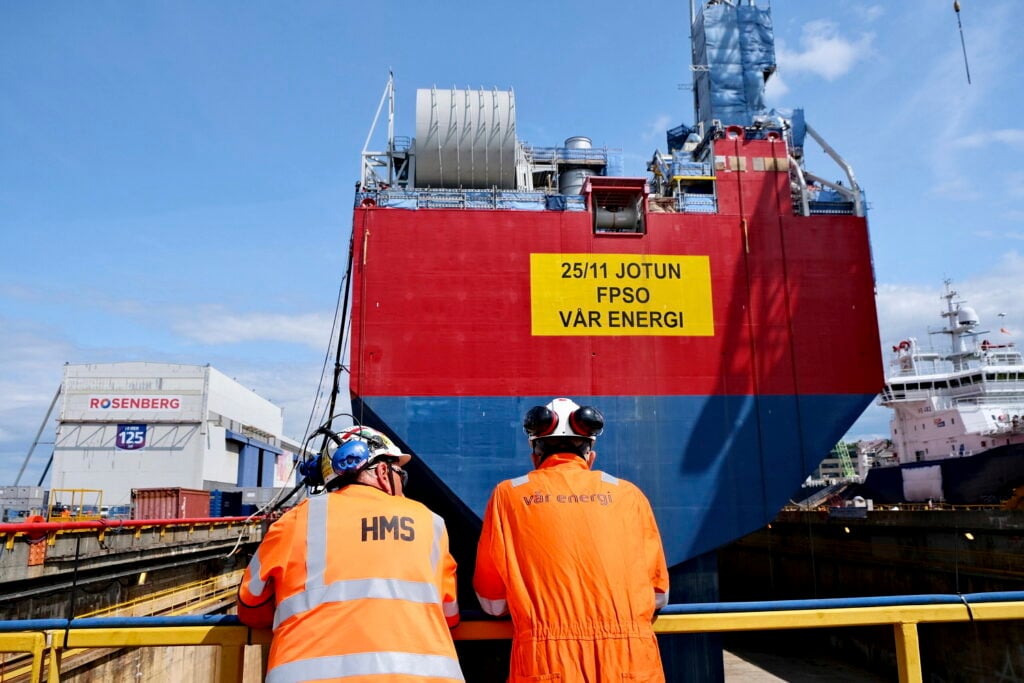
Our operations generate substantial benefits for local communities and society at large, not only through direct economic impacts but also by creating value throughout the supply chain.
We evaluate direct and indirect social and economic impacts through annual ripple effect analyses via independent research. In 2025, Vår Energi’s operations accounted for 14,281 man-years in Norway and generated a total value creation of NOK 24 billion.
A total of 97% of procurement spending went to Norwegian suppliers, in line with our stated goal of local value creation.
How we engage with communities connected to our activities
Vår Energi is committed to responsible engagement with communities and stakeholders connected to our operations on the Norwegian Continental Shelf and at selected onshore facilities. This includes coastal municipalities, fisheries, local businesses, land‑based communities and other stakeholders with social, environmental or economic interests related to our activities.
Our approach is guided by Norwegian legislation, transparency requirements and established consultation practices.
Our approach in brief
Early and open dialogue through formal consultation processes
Ongoing engagement beyond project approvals
Clear responsibility for community relations
Accessible channels for questions, concerns and grievances
Respect for indigenous peoples’ rights where relevant
Consultation and participation
We engage with local communities and stakeholders through formal consultation processes required under Norwegian law. These include environmental impact assessments, development and operation plans, discharge permits and other processes that are subject to public hearings.
These consultations ensure that relevant stakeholders are informed at an early stage and given the opportunity to provide input before key decisions are made.
Ongoing dialogue
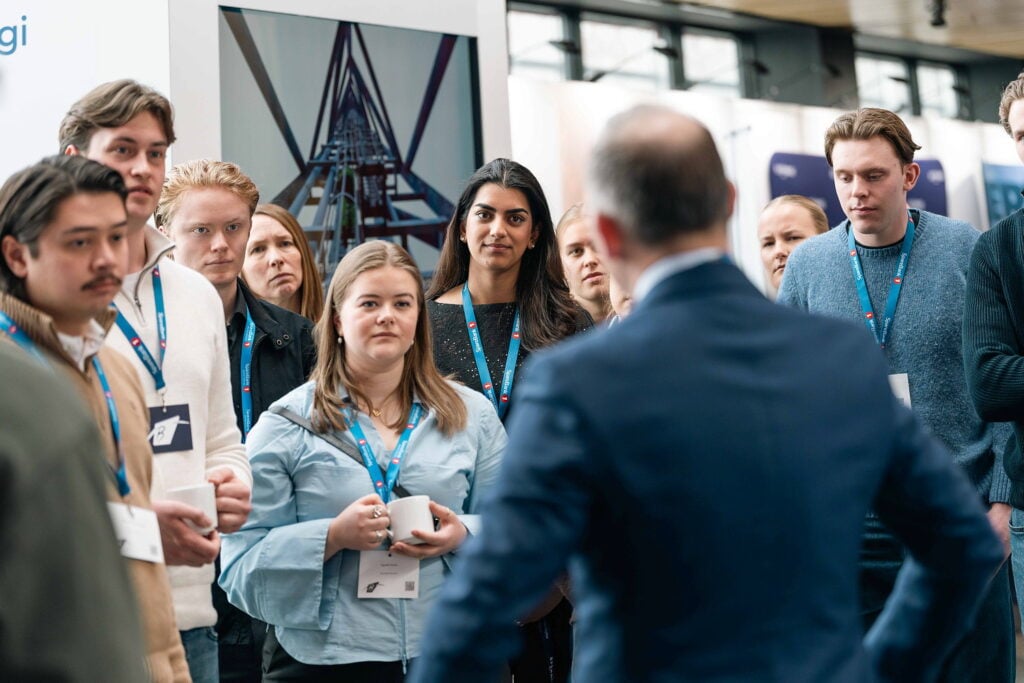
Engagement with communities continues throughout the life cycle of our activities. We maintain dialogue through meetings, site visits, information‑sharing activities, conferences and participation in relevant public forums.
Ongoing dialogue helps build understanding, supports constructive relationships and allows us to identify and address issues as they arise.
Responsibility and governance
Responsibility for community and stakeholder engagement is embedded in our organisation. Executive management has overall responsibility, while engagement activities are handled close to operations in coordination with relevant corporate functions.
This ensures that local context, regulatory requirements and operational realities are reflected in how engagement is carried out.
Identifying affected communities
We apply a structured approach to identifying communities and stakeholders that may be affected by or have an interest in our activities. This is based on factors such as:
proximity to operations
potential exposure to impacts
regulatory relevance
legitimate local interests
This understanding informs how we plan engagement and consultation activities.
Raising concerns and grievances
Community members and other external stakeholders can raise questions or concerns through established contact channels, participation in public consultations, or through our whistleblowing mechanism.
Where indigenous peoples’ interests may be affected, engagement is carried out in line with Norwegian legislation and established consultation frameworks. Relevant impact assessments have included Sámi interests where applicable, and mitigating measures have been developed through dialogue when impacts were identified.
Our commitment
Through structured consultation, ongoing dialogue, clear responsibilities and accessible channels for concerns, Vår Energi works to manage community‑related impacts responsibly and maintain trust with the communities connected to our activities.
Sponsorship and support
Vår Energi is committed to delivering a better future by energising communities and high performers. Our sponsorships give energy to local and national talents, initiatives and minds that take our society forward.
We want to work together, see local initiatives succeed and inspire others to succeed. We want to see performers reach new heights and communities thrive.
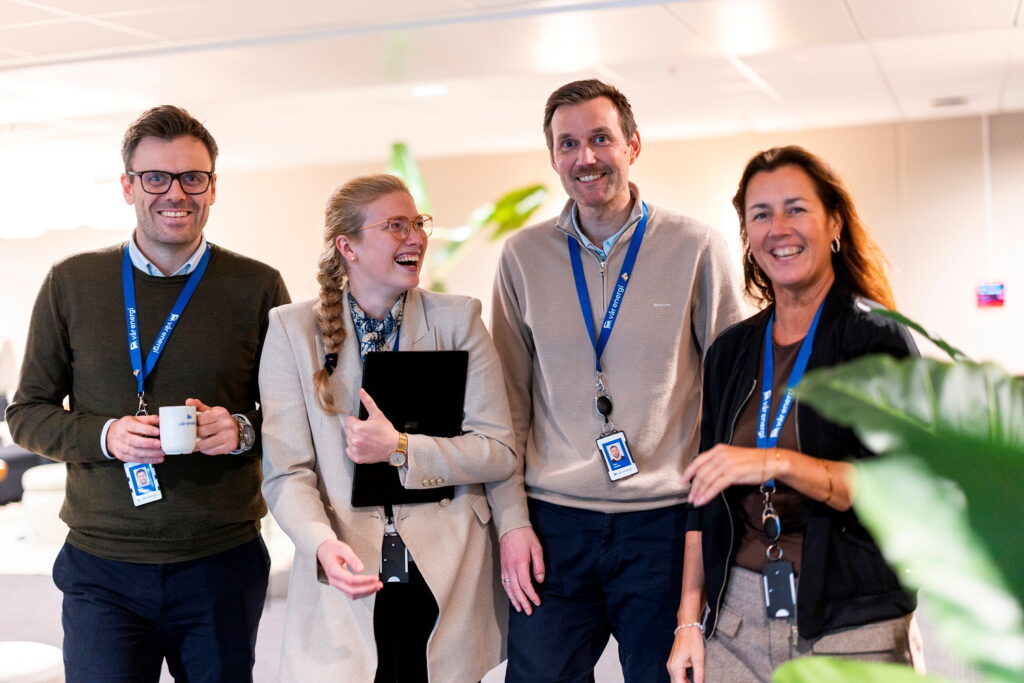
Vår Energi is committed to fostering an inclusive workplace and developing a competent and engaged workforce that supports safe operations, long-term value creation and sustainable performance.
Our approach is grounded in our culture and values, as described in Vi er Vår – Who we are and how we work, and is operationalised through structured people processes, governance and leadership accountability.
Vår Energi seeks to promote diversity and inclusion across the organisation through fair and transparent people practices. We aim to strengthen diversity and inclusion over time by integrating these considerations into recruitment, development and succession processes, with a particular emphasis on leadership behaviour and decision-making.
Leaders are accountable for promoting inclusive behaviour and ensuring fair and consistent people practices within their teams. Diversity and inclusion considerations are integrated into recruitment and internal mobility processes, and leaders are expected to contribute to an inclusive working environment where different perspectives are respected and valued.
Bias awareness is addressed through unconscious bias training delivered via external learning platforms. The training applies across the organisation and is designed to support consistent and objective decision-making in recruitment, development and people management.
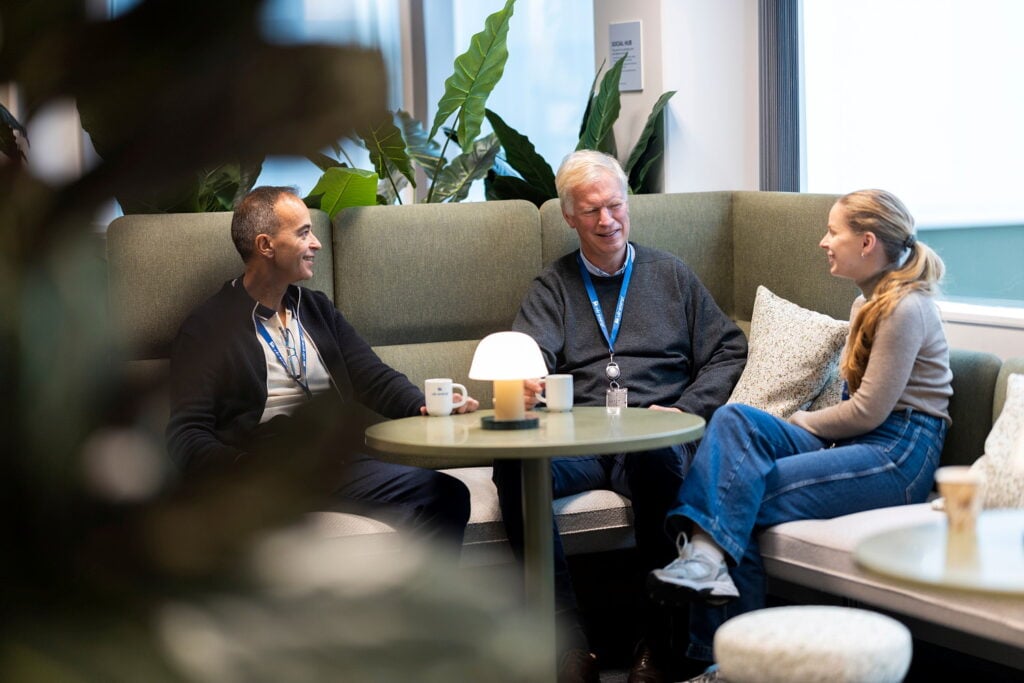
Employee participation and dialogue contribute to inclusive workplace practices. Employee representatives, safety delegates and trade unions play an important role in matters related to working conditions, organisational development and change.
Diversity-related indicators and employee feedback are reviewed as part of regular people governance and management follow-up, supporting continuous improvement and oversight of diversity-related risks.
Human capital development
Vår Energi recognises human capital as a critical driver of operational resilience and long-term performance.
Human capital development supports both current operational needs and future competence requirements, aligned with the Company’s strategy and risk profile.
Learning and development are embedded in core people processes. Employees have access to structured onboarding, professional academies, leadership development programmes and external learning resources through a company-wide learning management system. Learning initiatives are prioritised to maintain and strengthen critical technical, operational and leadership capabilities.
Performance and development are managed through structured performance and development dialogues with continuous feedback and calibration. These processes support skills development, talent identification and leadership continuity.
Succession planning for key roles supports continuity and reduces dependency on single individuals. Human capital considerations, including competence development, engagement and leadership capacity, are monitored through defined people indicators and integrated into the Company’s enterprise risk management and governance processes.
People development initiatives and management processes are reviewed as part of regular management follow-up and continuous improvement to ensure their ongoing relevance and effectiveness.